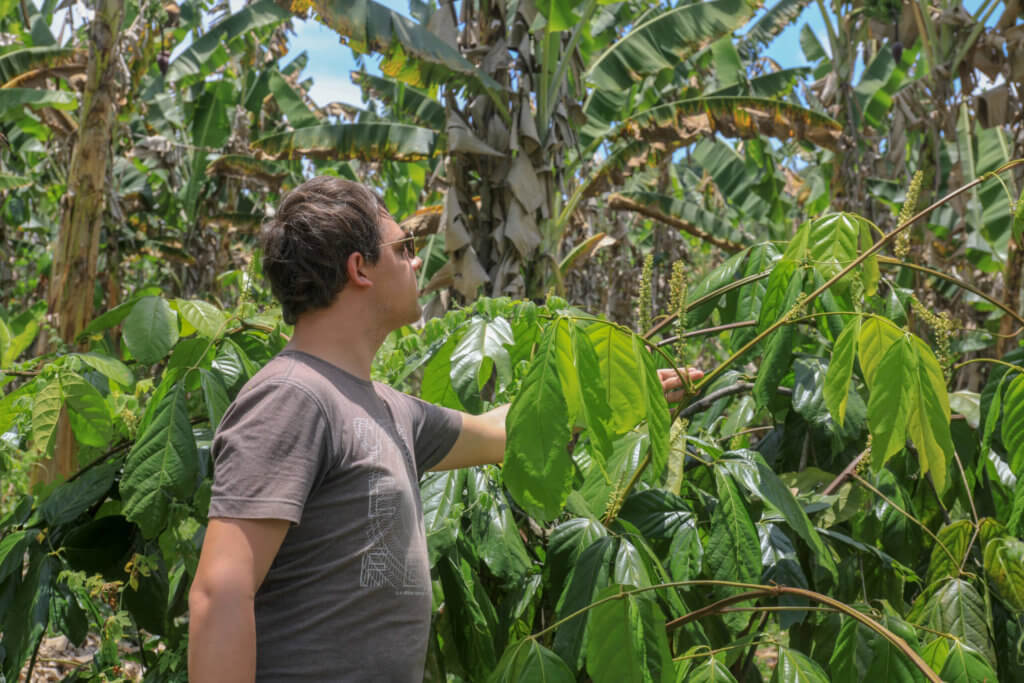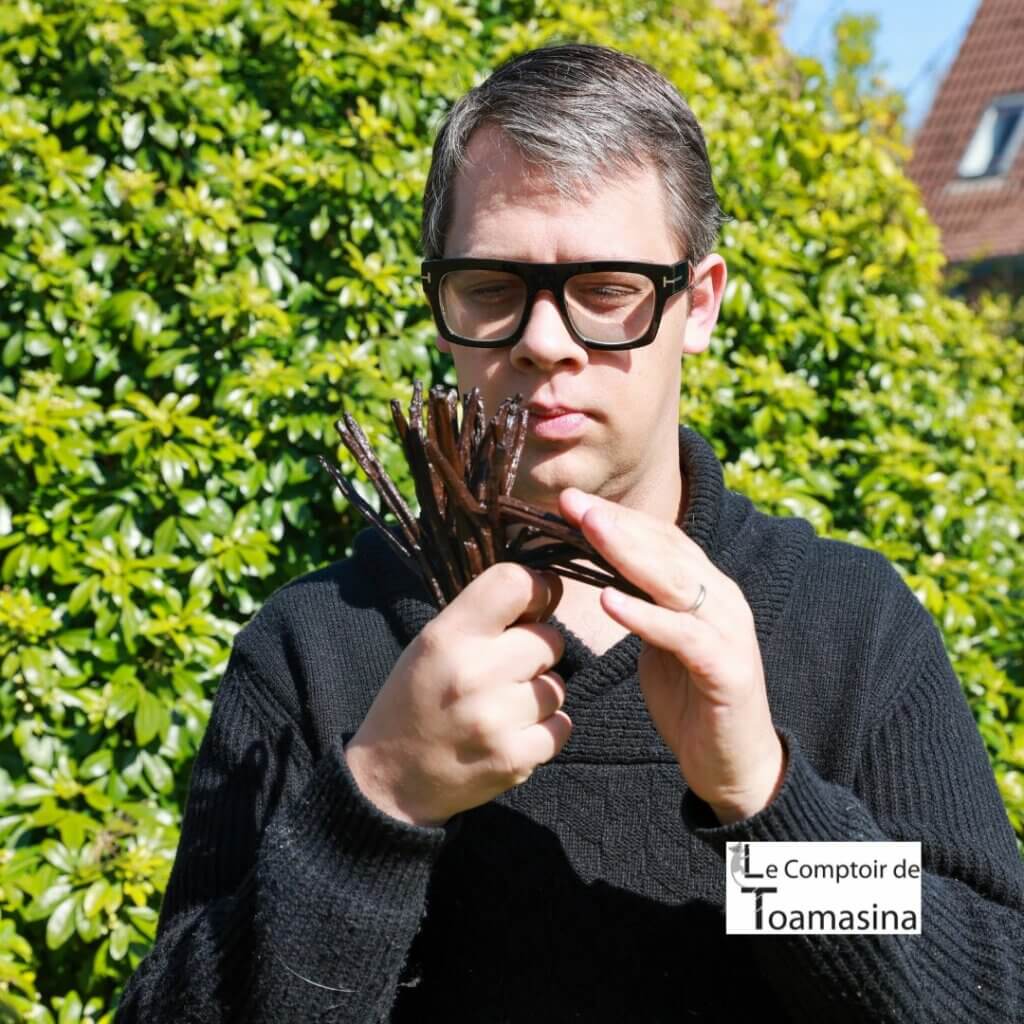
Madagascar, Tahiti, Papua New Guinea, Brazil: when you buy vanilla, the origin is the first and most important choice. As with wine or coffee, the terroir, the species and the curing method completely change the fragrance. I am Arnaud Sion, founder of Le Comptoir de Toamasina; I have worked with vanilla since 2010 and have lived in Brazil since 2015. In this guide I explain what sets each origin apart, which recipes suit each one, and which form to buy: whole bean, extract or powder.
There is no single « best vanilla », only the right vanilla for each recipe. For a baked custard or a cake, I want the power of Madagascar Bourbon. For fresh fruit, whipped cream or fish, I reach for the floral finesse of Tahiti. Keeping two origins in your kitchen changes everything.

Which vanilla species are grown commercially?
Vanilla is the fruit of a climbing orchid of the genus Vanilla. The genus includes more than a hundred species across the tropics, but only three are grown on a large scale for their beans.
Vanilla planifolia is by far the most widely grown. Native to Mexico, it gives the vanilla of Madagascar, the Comoros, Réunion, Uganda, Indonesia and Mexico itself. Its fragrance is intense and rich in vanillin.
Vanilla × tahitensis is Tahitian vanilla. Genetic studies have shown it is a natural hybrid between Vanilla planifolia and Vanilla odorata, a Central American species, and not a cross with pompona as is often written. It is grown in French Polynesia and Papua New Guinea.
Vanilla pompona, sometimes called vanillon, is rarer in trade. Native to the Americas, including the Amazon, it has short, thick beans with floral and fruity notes. Brazil is also home to many other wild species, such as Vanilla chamissonis or Vanilla palmarum.
Why choose Madagascar Bourbon vanilla?
Madagascar produces roughly 75 to 80 % of the world’s natural vanilla, mainly in the Sava region in the north-east of the island. Vanilla arrived there in the 19th century from Réunion, then called Île Bourbon, hence the name Bourbon vanilla. It was on Réunion, in 1841, that a twelve-year-old enslaved boy, Edmond Albius, devised the hand-pollination technique still used on every plantation today. « Bourbon » is not an appellation of origin: it is a trade name for Vanilla planifolia grown on the Indian Ocean islands.
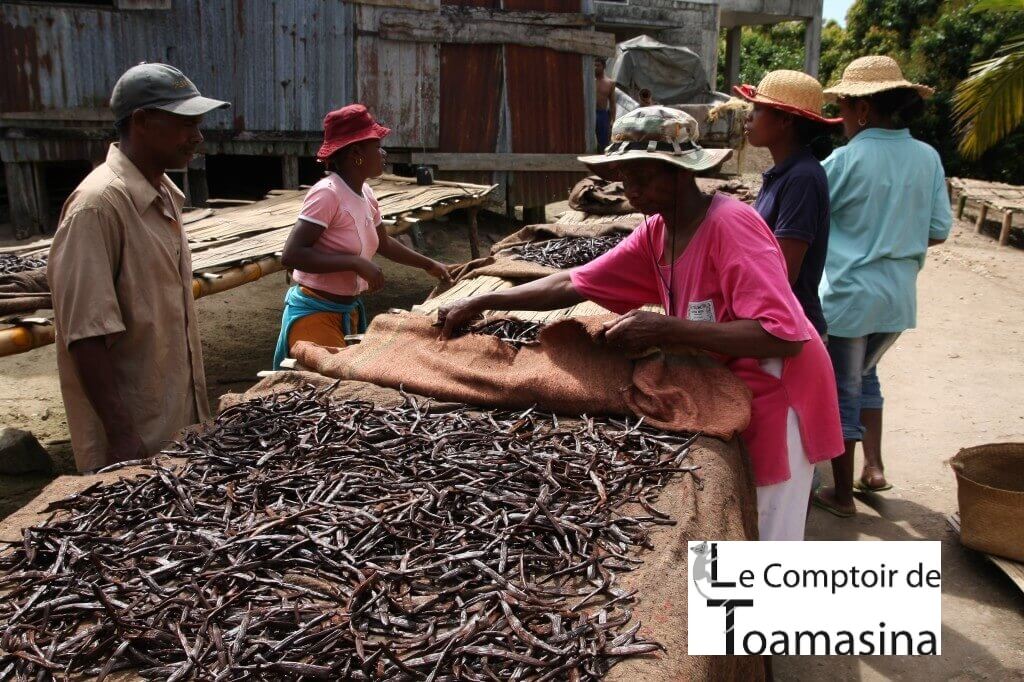
Its reputation comes from the curing: scalding in hot water, sweating wrapped in blankets, weeks of sun and shade drying, then months of conditioning in closed boxes. The result is a dark, oily bean with intense notes of vanilla, cocoa, caramel and wood. It is the most versatile vanilla, because its aromas withstand heat: ideal for custards, cakes, ice cream and crème brûlée. Shop Madagascar vanilla.
What makes Tahitian vanilla so special?
Tahitian vanilla is grown on a few islands of French Polynesia, such as Taha’a, Raiatea, Huahine and Moorea. Production is small compared with Madagascar, which partly explains its higher price. The beans are harvested ripe and traditionally dried without scalding. They are thick, fleshy and very glossy.
Its fragrance is unlike any other: less vanillin than Bourbon, but a burst of floral, anise and prune notes. Being more delicate, it shines in raw or lightly cooked dishes: fruit, whipped cream, panna cotta, ice cream, and even sauces for fish and seafood. Shop Tahitian vanilla.
Aromatic pyramid of Tahitian vanilla
What about Papua New Guinea and Brazilian vanilla?
Papua New Guinea vanilla is a tahitensis grown in Oceania but cured differently, with scalding, as in Madagascar. The result is a bean with a wilder, slightly spicy side while keeping the floral notes typical of the species. Production is still small but growing.
Cerrado vanilla comes from Brazil. It has large beans with a floral, slightly tangy profile typical of its terroir. Brazil’s native vanillas are still little known to the public, but they increasingly interest chefs and researchers. It is an origin for the curious palate.
How do the vanilla origins compare?
| Origin | Species | Aromatic profile | Best use |
|---|---|---|---|
| Madagascar (Bourbon) | V. planifolia | Intense vanilla, cocoa, caramel, wood | Baked custards, cakes, ice cream |
| Tahiti | V. × tahitensis | Floral, anise, prune, ripe fruit | Fruit, whipped cream, raw desserts, fish |
| Papua New Guinea | V. × tahitensis | Floral, wild, slightly spicy | Chocolate, syrups, savoury dishes |
| Cerrado (Brazil) | Native vanilla | Floral, slightly tangy | Fruit desserts, cocktails, discovery |
Indicative comparative profile (scale of 0 to 5)
Bean, extract or powder: which form should you buy?
The whole bean is the noblest and least processed form. It gives the fullest fragrance and lets you use both the seeds and the pod. It is the right choice for pastry. Check its quality: a good bean is supple, dark, glossy and very fragrant. Tiny white crystals on the surface are natural vanillin, a sign of a rich bean, not mould.
Vanilla extract is made by macerating beans in a mixture of alcohol and water. A natural extract keeps the character of its origin: a Tahitian extract will be floral, a Madagascar extract more intense. Be wary of products labelled « flavouring » or « essence »: they are often made with synthetic vanillin. Always read the ingredients.
Vanilla powder is made from dried, ground beans. It is handy for doughs, vanilla sugar or granola, but loses its fragrance faster. You can make your own by drying a used bean and grinding it, or simply burying it in a jar of sugar.
Madagascar for power and baking, Tahiti for floral finesse, Papua New Guinea and Cerrado to step off the beaten track. Choose whole beans for pastry, natural extract for everyday use, and steer clear of synthetic « vanilla flavouring ».
To understand what drives the cost of each origin, read my article on vanilla bean prices per kilo.
Frequently asked questions about vanilla origins
See our vanillas